Chimney Fire Damage Repair in Manhasset
Chimney fires are not always dramatic. Some roar loudly and send flames out of the top; many others burn quietly, go unnoticed and leave the damage behind. Either way, temperatures inside the flue can climb high enough to crack clay tiles, warp metal components and damage the masonry - and a damaged flue can let the next fire reach the wood framing around the chimney. 1stCall Emergency Chimney provides chimney fire damage repair in Manhasset, starting with a thorough camera inspection and finishing only when the chimney is safe to use again.
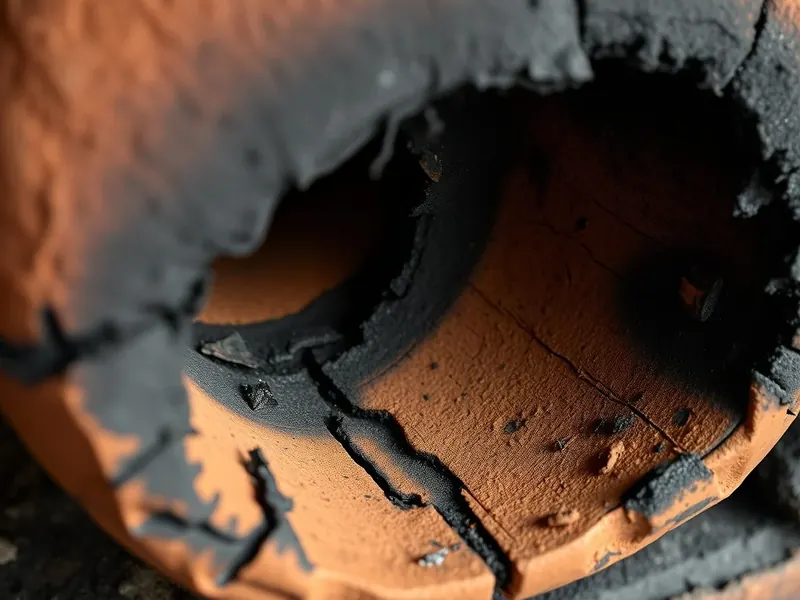
Right After a Chimney Fire
- Call 911 and get out. The fire department should check the house, including the attic and the walls around the chimney, for hidden fire.
- Do not use the fireplace, stove or appliance connected to that chimney - not even once to test it.
- Contact your insurance company to open a claim if there is damage.
- Schedule a Level 2 inspection. NFPA 211 calls for a Level 2 inspection after a chimney fire or any event that may have damaged the chimney. We can be there as soon as the fire department has cleared the scene, at any hour.
The U.S. Fire Administration publishes practical guidance on heating fire safety that is worth reading once the immediate crisis has passed.
Why Fire Damage Is Serious in Older Chimneys
Many chimneys in Manhasset date from the 1920s and 1930s and were built long before today's clearance rules, so wood framing can sit close to, or even against, the masonry. In those chimneys the flue liner is the main barrier between a fire and the house. Once a chimney fire cracks those tiles, heat from later fires can pass through the gaps and slowly char nearby joists - a hidden hazard that can build over years. That is why we do not sign off on a chimney after a fire until every flue has been scanned and any damaged liner has been addressed. The same thorough approach applies across our service area, from Plandome and Munsey Park to Flower Hill.
Signs of a Past Chimney Fire
Because so many chimney fires go unnoticed, evidence of one often turns up during routine sweeps and inspections - especially in older homes that have changed hands several times. Look for:
- Puffy, honeycombed creosote that looks expanded or blistered
- Pieces of flue tile in the firebox or smoke chamber
- A warped damper plate or cracked firebox bricks
- A discolored or distorted metal cap, or heat damage to roofing near the chimney
- Cracks in the exterior masonry or smoke staining at the mortar joints
- Scorching on framing around the chimney in the attic
How We Repair Chimney Fire Damage
The repair depends on what the fire did. Common work includes:
- Removing remaining creosote so the flue can be evaluated and safely relined.
- Relining the flue with a UL 1777 listed stainless steel chimney liner when clay tiles are cracked - often the core of the repair.
- Rebuilding the smoke chamber and replacing a warped damper.
- Repairing the firebox with firebrick and refractory mortar.
- Masonry and crown repair where heat cracked the exterior, sometimes requiring partial chimney rebuilding.
- Replacing a damaged cap and checking flashing and roofing near the chimney.
We document the damage with video and photos before, during and after the work, in a format your insurance adjuster can review, and the written estimate lists each repair and the reason for it. When the damage is confined to the flue and relining solves it, the fireplace or appliance can often return to service fairly quickly; heat damage to framing or exterior masonry takes longer to put right.
Preventing the Next One
Most chimney fires start with creosote. Burning well-seasoned hardwood with plenty of air, avoiding smoldering overnight fires and scheduling a yearly chimney sweep before the heating season keep deposits in check. Never burn wrapping paper, cardboard or treated lumber in a fireplace. Oil-fired appliances need their flues cleaned and checked as well, since soot buildup and blockages cause their own hazards. Working smoke alarms and carbon monoxide alarms - which New York's Amanda's Law requires in homes with fuel-burning appliances - give your family early warning if something goes wrong.
If you recently bought an older home in Manhasset and have no record of when the chimney was last cleaned or inspected, schedule a Level 2 inspection before the first fire of the season. Evidence of an old chimney fire is easy to miss, and the previous owner may never have known it happened.