Chimney Sweep Service for Manhasset Homes
A chimney sweep is the simplest thing you can do to keep a fireplace or heating system safe, and in Manhasset it pays off more than in most places. Many local homes burn wood in a living room fireplace on winter weekends while an oil boiler in the basement vents through a second flue in the same chimney stack. Both flues collect deposits - creosote from wood fires, soot and acidic scale from oil burners - and both need to be clear for smoke and exhaust to leave the house the way they should.
1stCall Emergency Chimney provides chimney sweeping and chimney cleaning throughout Manhasset, from the artist-named streets of Munsey Park to the Strathmore neighborhoods and the homes off Plandome Road. NFPA 211, the national standard for chimneys, fireplaces and vents, calls for chimneys to be inspected every year and cleaned when deposits build up, so we handle both in one visit.
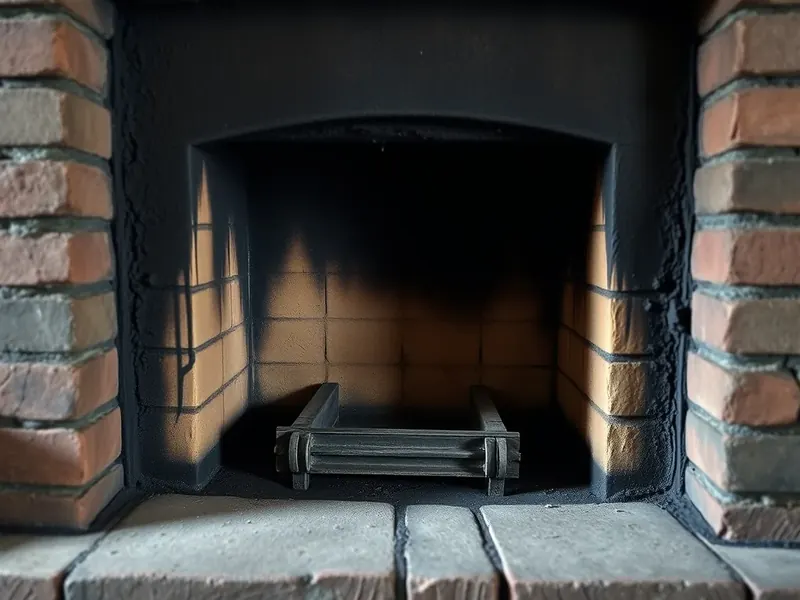
What Our Chimney Cleaning Includes
- Setup. Drop cloths from the door to the hearth, the fireplace opening sealed, and a HEPA-filtered vacuum running so soot stays in the chimney and out of your rugs.
- Flue cleaning. Brushes matched to the size and material of your liner - clay tile, stainless steel or cast-in-place - worked along the full height of the flue.
- Smoke chamber and smoke shelf. The area above the damper where creosote collects heaviest and where many chimney fires start.
- Firebox and damper. Ash and debris removed; the damper plate, handle and hinge checked for smooth operation and a proper seal.
- Appliance flues. For oil-fired boilers and furnaces, the base tee and cleanout are opened and cleared of the soot and scale that choke the draft.
- Camera check. A look along the full length of the liner so you know about cracks, gaps or missing mortar before they turn into a hazard.
How Often Should a Chimney Be Swept on the North Shore?
There is no single calendar answer; the right interval depends on what you burn and how much. As a practical guide for Manhasset homes:
- Wood-burning fireplaces used most winter weekends - once a year, ideally before the first cold snap in the fall.
- Wood stoves used as a regular heat source - at least once a year, plus a mid-season check if you burn daily.
- Oil boiler and furnace flues - every year, usually timed with the burner tune-up, because oil soot accumulates quickly and can partly block a flue.
- Gas appliances and gas logs - an annual inspection, with cleaning when debris, nests or liner deterioration turn up.
The Chimney Safety Institute of America's rule of thumb: when sooty buildup reaches about an eighth of an inch, it is time to sweep. Glazed, tar-like creosote is harder to remove and more dangerous; it usually comes from burning wet wood or damping a fire down to smolder all night. Seasoned hardwood burned with plenty of air is the best way to keep deposits light, and the EPA's Burn Wise program has good guidance on drying and storing firewood.
Why Timing Matters in Manhasset
Every fall, the first genuinely cold week sends much of Nassau County to fireplaces and thermostats at the same time. Booking your chimney sweep in September or October beats that rush and leaves time to fix anything the camera finds before you need the heat. It also clears out what summer left behind: birds, squirrels and raccoons like to nest in uncapped chimneys, and the wooded lots around Manhasset Bay, Leeds Pond and Whitney Pond Park give them plenty of options.
Moisture is the other local factor. Humid, salty air and wind-driven rain off the bay mix with soot and creosote to form acidic residue that eats at mortar joints and metal dampers. A chimney that sat damp all summer often smells strongly of creosote when air conditioning pulls air down the flue - a sign it is due for cleaning and possibly a chimney cap or crown repair to keep the rain out.
Before and After Your Sweep
To prepare, let the fireplace go cold for at least a day, move furniture and rugs a few feet back from the hearth, and tell us whether a boiler or furnace shares the chimney so it can be shut down safely during the work. Most visits take one to two hours.
When we finish, you get a short written summary with photos. If the sweep turns up something more serious - cracked flue tiles, heavy glazed creosote or signs of a past chimney fire - we explain it plainly and provide a written estimate before any chimney repair or relining. There is no obligation to have the work done by us, and nothing starts without your approval.