Chimney Rebuilding and Tuckpointing in Manhasset
Brick lasts a long time; mortar does not. After decades of rain, salt air and freeze-thaw cycles, the joints on many Manhasset chimneys have eroded to sand, and bricks near the top have started to flake apart. At that point a patch is no longer enough. 1stCall Emergency Chimney provides chimney rebuilding and tuckpointing in Manhasset - from repointing a weathered stack to taking a chimney down to solid masonry and rebuilding it - with materials chosen to suit the age and style of the house.
Tuckpointing, Repointing or Rebuilding?
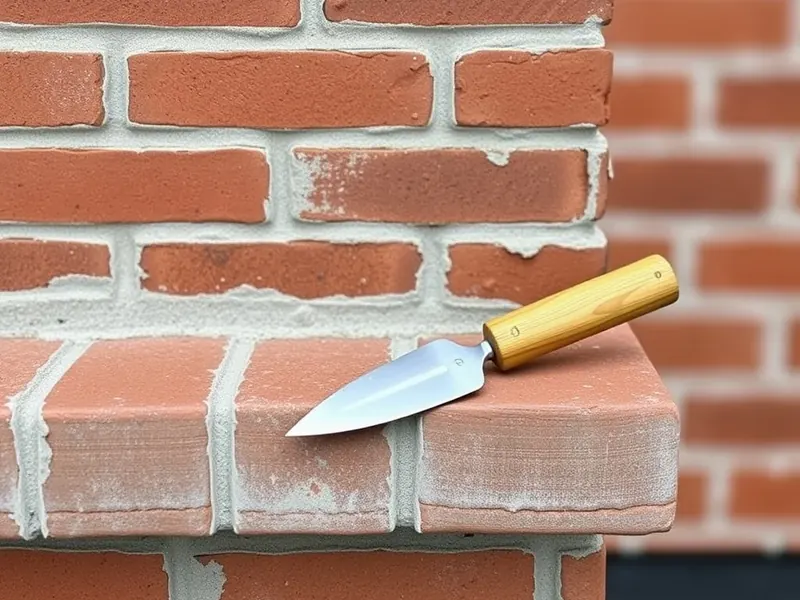
Tuckpointing and repointing mean raking or grinding out deteriorated mortar to a consistent depth and packing in fresh mortar, tooled to match the existing joint profile. It is the right fix when the bricks are sound and only the joints have failed.
Brick replacement addresses individual spalled or cracked bricks, which are cut out and replaced with the closest available match in size, color and texture.
Partial rebuilding is most often needed above the roofline, where exposure is worst. When the top courses are loose, leaning or badly spalled, we take them down to solid masonry and rebuild with new brick, a new crown, new flashing and a cap.
Full rebuilding is for chimneys that are leaning, separating from the house or deteriorated throughout - sometimes after a chimney fire, a storm impact or long-term water damage.
The inspection tells us which category applies. We test joints with a tool rather than judging by eye, look for movement at the top, and use a camera to see whether water or heat has damaged the flue from inside - because rebuilding the outside of a chimney around a failed liner only solves half the problem.
Matching the Masonry on Older North Shore Homes
In Manhasset, chimneys are part of the architecture. Munsey Park was laid out around 1930 with building standards emphasizing the Colonial Revival style; the Levitt-built Strathmore neighborhoods of the 1930s are known for Tudor-style houses where the chimney is often a prominent feature of the front elevation; and Plandome's early 20th-century homes include some of the most distinctive houses in the area. A rebuilt chimney that looks obviously new detracts from all of them.
We look for brick that matches in size, color and texture, and we select mortar compatible with the original. Chimneys built before the mid-20th century were often laid with lime-rich mortar that is softer than modern Portland cement mixes. Repointing soft brick with hard mortar forces the brick to absorb the stress of movement and moisture, so it cracks and spalls instead of the joint. If your home is in an incorporated village, check whether exterior changes need village approval; we can supply photos, material details and specifications for that process.
Why Chimney Masonry Deteriorates Here
Water is behind nearly all masonry damage. In Manhasset, nor'easters and coastal storms soak chimneys with wind-driven rain for hours at a time, and in winter that water freezes inside the brick and joints, expands and breaks the material from within. Salt carried inland from Manhasset Bay and the Sound settles into the masonry and adds to surface deterioration. Inside, acidic condensation from decades of oil heat attacks the mortar joints in the flue. Watch for:
- Recessed, sandy or missing mortar joints
- Brick faces flaking or popping off
- White efflorescence staining
- Bricks or mortar fragments on the roof or in the gutters
- A chimney that leans or has pulled away from the siding
Chimneys on the side of the house facing the prevailing storms, or on homes set high on the slopes above the bay, usually show this damage first. Left alone, eroded joints let the top of the chimney loosen until bricks start falling onto the roof - a real hazard in a winter storm and a frequent reason for emergency calls after a nor'easter.
What to Expect During a Rebuild
Masonry work depends on the weather: mortar needs time to cure above freezing, so repointing and rebuilds are best scheduled from spring through fall. We protect the roof, set up scaffolding where needed, cover plantings and walkways, and haul away the debris. You receive a written scope and estimate before work starts, photos during the job and a final walkthrough.
A rebuild is also the ideal time to deal with the flue - if the camera shows damaged tiles, a new chimney liner can go in while the top is open. For water-related problems, pair the masonry work with chimney waterproofing. And if a storm has left a chimney unstable, our 24/7 emergency chimney service can make it safe first so the permanent rebuild can wait for good conditions.