Chimney Liner Installation for Manhasset Homes
The flue liner is the part of the chimney that actually contains the heat, smoke and exhaust gases. When it cracks, separates or corrodes, those gases can reach the surrounding brick and wood framing, and carbon monoxide can find its way into living space. Many Manhasset chimneys still have their original clay tile liners from the 1920s and 1930s, and some older chimneys were never lined at all. 1stCall Emergency Chimney provides chimney liner installation and relining in Manhasset, most often using UL 1777 listed stainless steel systems sized specifically for the appliance they serve.
A liner also affects how well the heating system works. A flue that is too large for the appliance cools the exhaust, weakens the draft and leaves more deposits behind; one that is too small can spill exhaust back into the house. Matching the liner to the appliance is what lets the chimney and the boiler, furnace or fireplace work together.
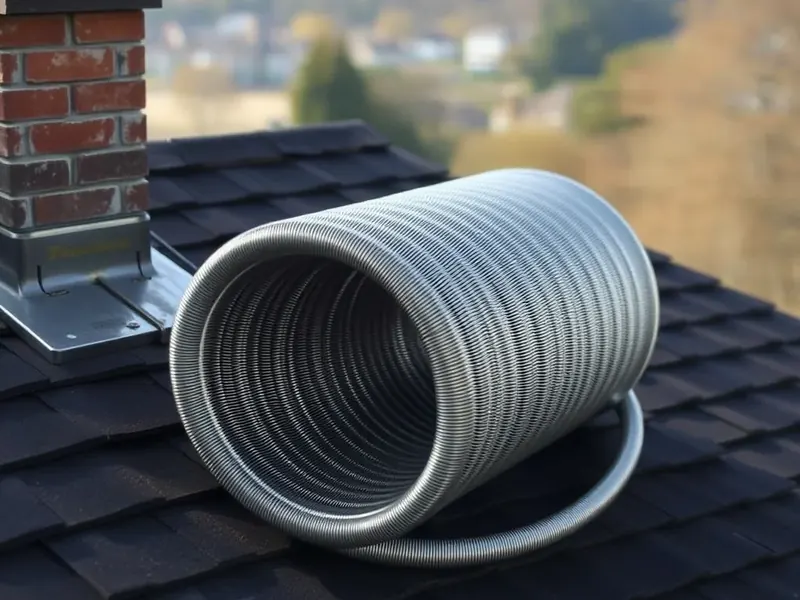
When a Chimney Needs Relining
- Cracked or missing clay tiles found during a camera inspection, frequently after a chimney fire.
- Oil-to-gas conversions - gas exhaust runs cooler and carries more water vapor than oil exhaust, and an oversized, unlined or deteriorated flue lets it condense and attack mortar from inside.
- New or replacement boilers, furnaces or water heaters whose venting requirements do not match the existing flue.
- Acid damage from oil heat - decades of oil soot mixed with condensation can break down flue tiles and mortar joints.
- Poor draft or backdrafting where the flue is the wrong size for the appliance.
- Adding a wood stove to an existing fireplace chimney.
In Manhasset, the most common trigger is the boiler. When an aging oil burner is replaced, the existing flue is often found to be unsuitable for the new appliance, and a properly sized liner is the standard answer.
Oil Heat, Gas Conversions and Long Island Chimneys
Long Island relies on heating oil far more than most of the country - more than half of the island's homes still heat with it. That means many Manhasset chimneys have spent decades venting an oil boiler, and oil soot combined with moisture forms acidic deposits that slowly break down clay tile and mortar. When homeowners replace that boiler or switch to natural gas, the old flue is frequently too large or too deteriorated for the new appliance.
A correctly sized stainless steel liner solves both problems. It gives the exhaust a smooth, sealed path to the top of the chimney, keeps the gases warm enough to draft properly, and resists corrosive condensate. Liners for oil and gas appliances are chosen to match the appliance manufacturer's venting requirements, and where a fireplace and a boiler share one chimney stack, each flue is evaluated separately. If you are planning a boiler replacement, a Level 2 chimney inspection before installation lets relining be coordinated with your heating contractor instead of discovered afterward.
Our Chimney Relining Process
- Camera inspection. We record the existing flue so you can see exactly why relining is recommended.
- Sizing. Liner diameter is based on the appliance's venting specifications - or, for a fireplace, on the size of the fireplace opening - never on whatever happens to fit.
- Preparation. The flue is cleaned, and broken tiles that block the path are removed.
- Installation. The liner is lowered from the roof and connected to the appliance or fireplace. Liners for wood-burning fireplaces and stoves are typically insulated for clearance to combustibles and a stronger draft.
- Top plate, cap and seal. A top plate seals the liner to the crown, and a stainless cap finishes it.
- Verification. A final camera pass and a draft check with the appliance running.
Depending on the job, the Town of North Hempstead or your incorporated village's building office may require a permit for relining; we tell you up front whether one applies.
Signs Your Chimney Liner May Be Failing
Pieces of clay tile in the firebox or at the boiler cleanout, strong odors from the fireplace in humid weather, white staining or damp patches on interior walls near the chimney, a boiler that repeatedly soots up, or a carbon monoxide alarm - any of these warrants an inspection. So does a chimney fire, even a small one; our chimney fire damage repair page explains why.
New York's Amanda's Law requires CO alarms in homes with fuel-burning appliances, and whoever replaces a boiler or furnace must install one if the home lacks it. An alarm is a backstop, though, not a substitute for a sound liner. Relining is available throughout Manhasset and nearby towns such as Roslyn and Great Neck.