Chimney Leak Repair in Manhasset
Few home problems are as frustrating as a leak that appears with every hard rain and vanishes when the weather clears. Chimneys are one of the most common sources, and in Manhasset they face unusual pressure: nor'easters that drive rain almost sideways across Manhasset Bay, salt air that corrodes metal flashing, and winters that freeze any water trapped in the masonry. 1stCall Emergency Chimney provides chimney leak repair and waterproofing for Manhasset homes, starting with the question that matters most - where exactly is the water getting in?
Many leaks blamed on the roof turn out to be the chimney, and the reverse happens too. A proper diagnosis covers both the masonry and the roofing materials around it before anyone starts replacing shingles or tearing out flashing, so you pay for one correct repair instead of two guesses.
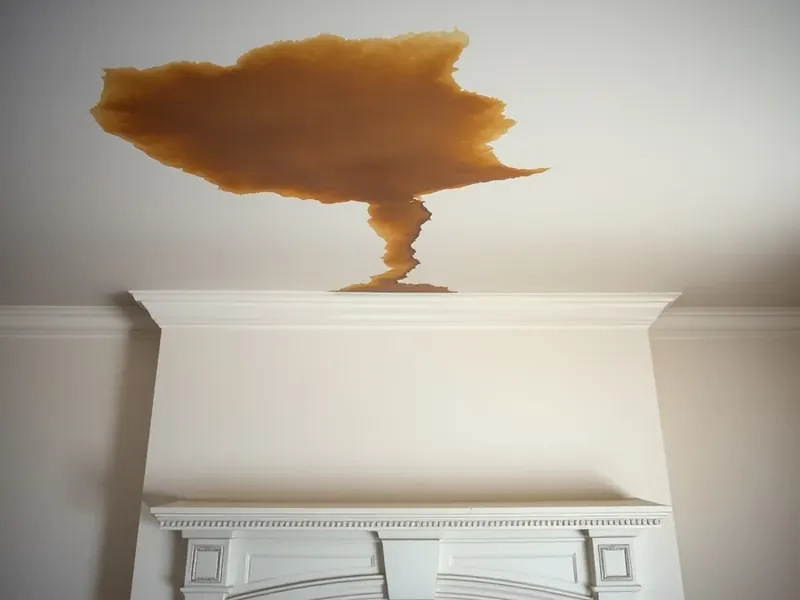
Where Chimney Leaks Come From
A chimney has several points where water can enter, and a ceiling stain rarely sits directly below the source. The usual suspects:
- Missing or damaged chimney cap - an open flue lets rain fall straight down to the damper and smoke chamber.
- Cracked crown - water soaks through the top of the chimney into the brick and the gap around the flue tile.
- Flashing failure - the metal seal between chimney and roof loosens, rusts, or was only ever sealed with caulk or roofing cement.
- Porous brick and mortar - old brick and eroded joints absorb water like a sponge during a long, wind-driven storm.
- Condensation - not a leak at all, but moisture from an oil or gas appliance condensing in an oversized or unlined flue, which can look very similar.
Leaks on the North Shore often combine two or three of these. The tall chimneys on many 1920s and 1930s Colonial and Tudor homes around Manhasset expose more brick to the wind and often sit where large roof areas drain against them, so we check every entry point instead of stopping at the first one we find.
How We Find and Fix the Leak
- Inspect top to bottom. We examine the cap, crown, masonry and flashing from the roof, then follow the water path through the attic and into the firebox. A camera shows whether water has damaged the flue tiles.
- Test when needed. For stubborn leaks, a controlled water test on one section at a time isolates the source.
- Repair the cause. That may mean new step and counter flashing cut into the mortar joints, a sealed or rebuilt crown, a new cap, or repointing eroded joints.
- Waterproof the masonry. Once repairs are sound, we apply a vapor-permeable water repellent made for masonry chimneys. It sheds liquid water but lets moisture inside the brick escape as vapor - unlike paint or ordinary sealers, which trap water and make spalling worse.
- Note interior damage. We point out any wet framing, drywall or plaster so you can address it once the chimney is dry.
Why Salt Air and Nor'easters Matter
Homes near Manhasset Bay, along the Plandome waterfront and out toward Port Washington and Sands Point live with salt in the air. It speeds up corrosion of galvanized flashing, chase covers and caps, and rust streaks running down a chimney are often the first visible sign. When we replace flashing or caps near the water, we generally recommend copper or stainless steel, which hold up far better in coastal conditions.
Nor'easters add wind-driven rain that can push water into masonry for many hours at a stretch, testing the whole chimney at once. A chimney that stays dry in a summer thunderstorm may leak in a November nor'easter. If water is coming in during a storm, we can tarp and temporarily seal the chimney at any hour, then schedule permanent repairs when the weather allows. Leaks that start at the top are covered in more detail on our chimney cap and crown repair page.
Keeping the Chimney Dry Between Visits
Keep gutters clear so water does not back up against the chimney, trim limbs that drop leaves and debris onto the roof, and look at the chimney after major storms for a missing cap or lifted flashing. Have the crown, cap and flashing checked every year - part of any standard chimney inspection - and reapply water repellent on the schedule the product manufacturer recommends. Catching a small leak early keeps it from turning into rotted framing, stained plaster and a chimney that needs rebuilding and tuckpointing.