Chimney Cap and Crown Repair in Manhasset
The top of a chimney is its first line of defense and usually its first point of failure. The crown - the sloped slab that covers the top of the masonry - sheds rain away from the brick and the flue. The cap - the metal hood and mesh over the flue - keeps rain, leaves and animals out. When either fails, water and wildlife get straight into the chimney. 1stCall Emergency Chimney provides chimney cap and crown repair across Manhasset, and because this is where storm damage shows up first, we respond around the clock when a cap blows off or a crown splits open.
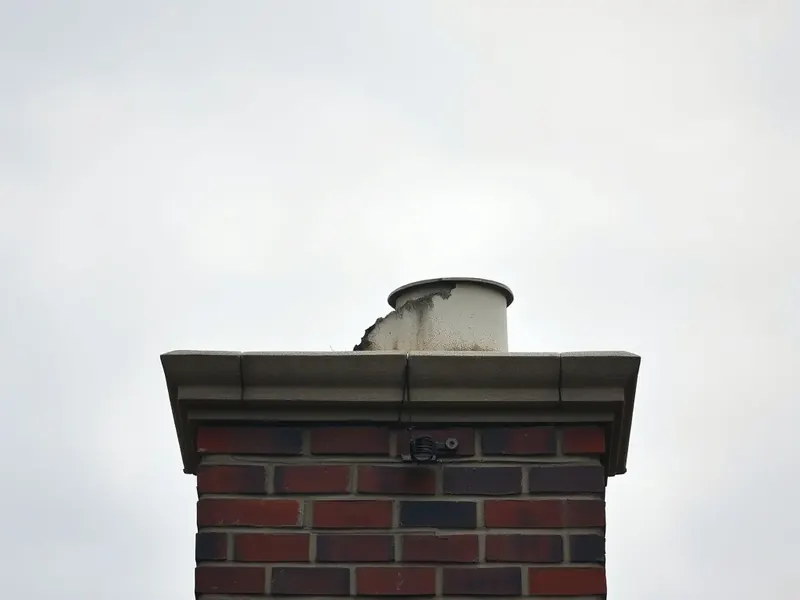
Why Crowns Crack on the North Shore
Many older Manhasset chimneys were finished with a crown made from the same mortar used to lay the brick, simply troweled into a slope. That works for a while, but mortar is not designed for a horizontal surface exposed to weather. Tiny cracks form, water gets in, and every freeze in a Long Island winter widens them a little further. Common crown problems include:
- A crown with no overhang, so water runs straight down the face of the brick
- A crown built tight against the flue tile, cracking as the tile expands with heat
- Crumbling edges that expose the top course of brick
- Hairline cracks that let water into the chimney core and down to the firebox
Caught early, a crown can be sealed with a flexible, elastomeric crown coating. Once it is crumbling or loose, the right fix is a new crown formed with a proper overhang, a drip edge that throws water clear of the brick, and a bond break around the flue so the tile can expand without cracking the crown.
Choosing a Chimney Cap for Salt Air
Galvanized and painted steel caps cost less up front, but near salt water they rust through quickly and can leave orange streaks down the brick. For homes near Manhasset Bay, Plandome, Sands Point and Port Washington, we recommend stainless steel or copper caps, which resist corrosion far better. Options include:
- Single-flue caps that fit an individual clay tile or stainless liner
- Multi-flue, outside-mount caps covering the whole crown - common on older chimneys with a fireplace flue and a boiler flue side by side
- Custom caps sized for unusual or historic chimneys, including styles that suit a Tudor or Colonial facade
Every cap we install includes mesh to keep out birds, squirrels and raccoons. Oil-fired appliance flues need a cap compatible with their venting, since very fine mesh can clog with oil soot and choke the draft, so the cap is always matched to what the flue serves. For chimneys that puff smoke back into the room on gusty days, a wind-resistant cap design can also help.
Warning Signs at the Top of Your Chimney
- Pieces of concrete or mortar in the gutter or on the roof
- Rust streaks or stains running down the brick from the top
- Water in the firebox or a damp, musty smell after rain
- Scratching, chirping or rustling in the chimney that means animals have moved in
- A cap that is leaning, dented or missing after a storm
Most homeowners never see the top of their chimney, which is why an annual chimney inspection is the easiest way to catch crown damage while it is still a small repair.
After any major storm, a quick look from the yard with binoculars can confirm the cap is still in place. If it is gone, avoid using the fireplace until it is replaced, particularly with more rain in the forecast.
Part of a Complete Weatherproofing Plan
A new crown and cap stop water at the top, but water can also enter through flashing and porous brick. When those are part of the problem, we combine crown work with chimney leak repair and waterproofing so the whole chimney is protected. If the brick just below the crown is loose or badly spalled, it may need to be rebuilt before a new crown goes on - see chimney rebuilding and tuckpointing.
Timing matters too. A new cementitious crown needs to cure above freezing, so early fall is the ideal window for crown work in Manhasset - after the summer storms and before the first hard frost. A cap, on the other hand, can be installed in almost any weather, and a torn-off cap should be replaced quickly to keep rain and animals out. Either way, you get photos and a written estimate before any work starts.