Chimney Sweep and Repair in the Village of Freeport
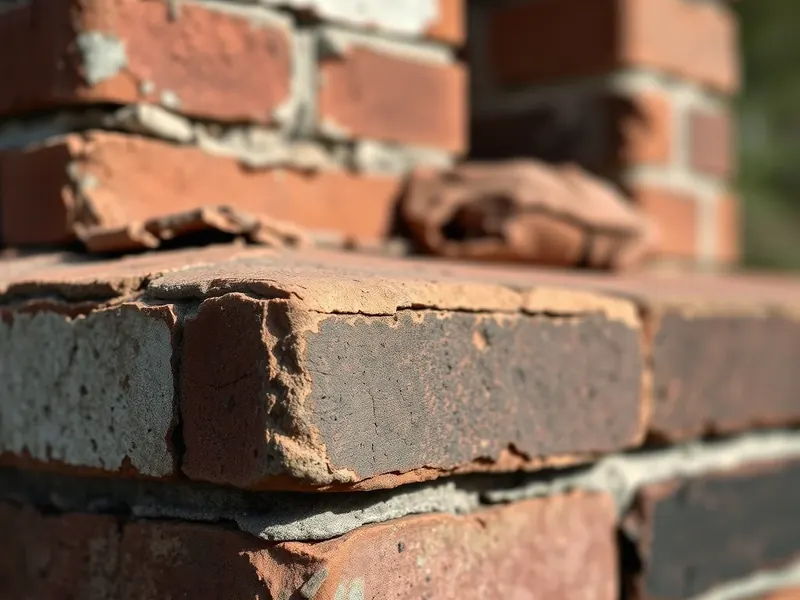
Freeport was an oystering settlement as early as the 1640s, and in 1659 a Hempstead cow keeper named Edward Raynor began bringing cattle to the meadows along the shore. Residents voted for the name Freeport in 1853, the place grew into a popular seaside resort in the late 1800s, and it incorporated as a village in 1892. The housing shows that long history: the state's post-Sandy recovery plan found that one in three housing units in Freeport was built before World War II and most of the rest before 1980. For chimney sweep and repair in Freeport, that often means brick that has weathered close to a century of salt air and freeze-thaw cycles.
As an incorporated village, Freeport runs its own Building Department, so larger chimney projects go through the village rather than the Town of Hempstead. A routine chimney sweep needs no such step.
Canals, the Nautical Mile and the 2012 Surge
Parts of southern Freeport sit on former marsh. Developer John J. Randall laid out the village's canals and waterfront grid in the late 1800s and early 1900s, most notably the Woodcleft Canal beside today's Nautical Mile, and the wetlands were dredged and filled for building. That land has little natural defense against high water. The village notes that parts of its flood zone flood during some moon tides, and Superstorm Sandy made the risk plain. Freeport sits directly across from Jones Inlet, and in October 2012 the surge combined with high tide topped 10 feet. Every road south of and including Atlantic Avenue flooded, along with the finger canals, the marinas and the Nautical Mile. On October 28, the day before landfall, the mayor had ordered a mandatory evacuation of everyone living south of Merrick Road, about 7,000 homes.
For chimneys, the lesson of those floods is that damage starts at the bottom. Where boilers, water heaters, chimney cleanouts and connector pipes sat in salt water, corrosion and silt keep working long after the water drains away. A Level 2 chimney inspection, with a camera run through each flue, is how to find out what a flood left behind.
Two-Family Homes, Apartments and Carbon Monoxide
Freeport has a broader mix of housing than its neighbors. Single-family houses make up only about 62 percent of the village's homes, against 77 percent countywide in the recovery plan's figures, and the rest range from two-family houses to large apartment buildings. Where one chimney carries exhaust from appliances in two apartments, a blocked flue puts both households at risk. Since February 2010, Amanda's Law has required CO alarms in new and existing one- and two-family dwellings, multifamily buildings and rentals in New York wherever a fuel-burning appliance or system, or an attached garage, is present; a state housing memo on the law lays out the details.
Heating fuel is changing as well. After Sandy, the recovery plan proposed incentives to move homes in the highest-risk areas from heating oil to natural gas, because loose and leaking oil tanks had caused so much damage. Today about 60 percent of Freeport homes heat with utility gas, about 22 percent with fuel oil and about 11 percent with electricity (US Census Bureau, American Community Survey 2020-2024). Every conversion should include a look at the flue, and an old masonry flue sized for oil often needs a stainless steel chimney liner matched to the new boiler.
Flood-Zone Repairs and Late-Night Calls in Freeport
In Freeport's special flood hazard area, the size of a project matters. As the village's flood management page explains, the National Flood Insurance Program requires a building to meet the standards for new construction, including elevation, once improvements or repairs reach 50 percent of its market value. A chimney rebuild done as part of larger storm repairs can count toward that total, so plan it together with the rest of the work and talk to the Building Department, which keeps a certified floodplain manager on staff. The chimney rebuilding and tuckpointing page covers the masonry side.
Routine chimney sweep and repair in Freeport is booked ahead. In a two-family house, though, a CO alarm or smoke in one apartment concerns both, so get everyone in the building outside and dial 911 before anything else. 1stCall Emergency Chimney takes calls at any hour about chimney fires, smoke drifting into rooms, carbon monoxide alarms and storm damage. After the danger has passed, the chimney is assessed properly by daylight and a written estimate comes before any repair; read more on the emergency chimney service page.