Chimney Sweep and Repair Where Levitt Built 17,447 Houses
Until 1947 there was no Levittown, only potato fields and two small settlements, Island Trees and Jerusalem. After an outbreak of the golden nematode, a potato pest, in the early 1940s, many farmers sold their fields to William Levitt, and construction started on May 7, 1947. The first 300 families moved in on October 1 of that year, by July 1948 the builders were finishing 30 houses a day, and when the project closed in November 1951 the count stood at 17,447 houses. For chimney sweep and repair in Levittown, that history matters: the houses are about 75 years old and went up at assembly-line speed.
Census figures back that up: more than eight in ten Levittown homes date from the 1940s and 1950s (US Census Bureau, American Community Survey 2020-2024). Levittown is an unincorporated hamlet of the Town of Hempstead, so questions about permits for rebuilding a chimney, relining it or replacing the boiler go to the town. A chimney sweep or a yearly inspection can be booked without that step.
Radiant Floors, Oil Boilers and the Flue Between Them
The Levitt houses were built on slabs without cellars; local zoning was changed in May 1947 to allow it. Photographs in the Levittown Public Library's history collection show workers installing a radiant heating system over a Cape foundation in 1947, and radiant heat set into a ranch foundation. A radiant floor of that kind is normally fed by a boiler, and in a house with no basement the boiler typically sits on the main floor, with its exhaust carried up and out through the chimney or a vent.
Oil is still the main fuel here. About 73 percent of occupied homes in Levittown heat with fuel oil, compared with roughly one in four across Nassau County (US Census Bureau, American Community Survey 2020-2024). An oil burner leaves soot and scale in its flue, and its slightly acidic exhaust slowly eats at clay tile and mortar joints. Under NFPA 211, chimneys and vents get an inspection every year and a cleaning whenever deposits have built up; a heating flue that skips several winters can narrow enough to spill exhaust back into the house. The guide to oil heat chimney cleaning on Long Island explains what the yearly visit covers.
The Ranch Fireplace Between Kitchen and Living Room
The 1949 ranch, the first Levitt model built for sale rather than for rent, came with a fireplace and a sixteen-foot picture window, and the library's collection describes the ranch fireplace as the piece that divided the kitchen from the living room. A fireplace set between two rooms usually means a chimney that rises through the roof rather than along an outside wall, so the flashing has to seal the stack on all four sides.
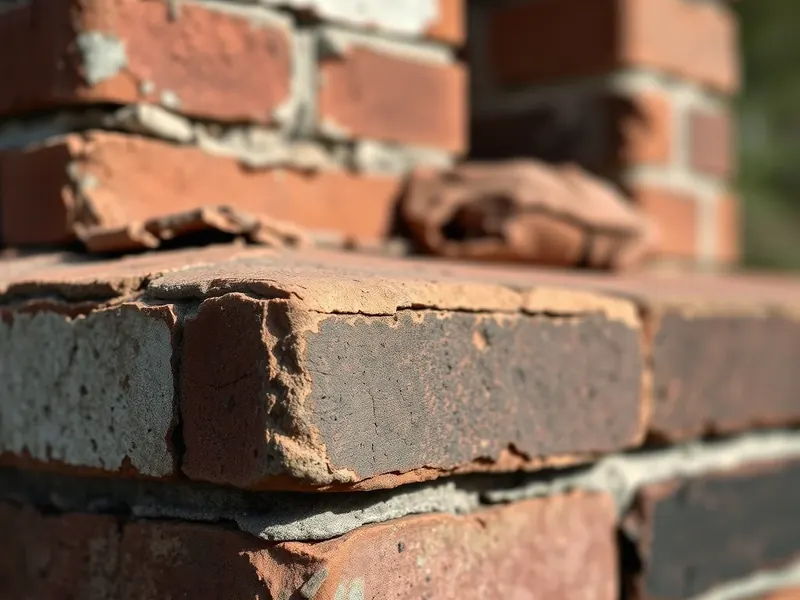
After roughly 75 years these fireplaces commonly show the same kinds of wear: open mortar joints in the firebox, a cast-iron damper rusted partly shut, and flashing patched with roofing tar instead of being replaced. If a fireplace has sat idle for years, have the flue swept and inspected before the next fire. When it is in use, the Consumer Product Safety Commission advises opening the damper before lighting it, keeping it open until the ashes are cool, and never closing it while they are still warm. A damper that sticks or no longer seals is a job for fireplace and damper repair.
Finished Attics, Dormers and an Aging Chimney
Levitt left the attics unfinished on purpose. These expansion attics were meant to be turned into extra rooms by the owners, and in 1951 the company announced that new houses would come with a partially finished attic adding 180 square feet of living space. Where an attic has since been finished around a masonry chimney, the framing and drywall must keep the air space to the brick that the building code requires. Where a dormer or a second story has raised the roofline, the chimney top may now sit too low, which tends to show up as smoke drifting back into the room on windy days. A chimney inspection checks both the clearances and the height.
Most chimney sweep and repair in Levittown can be planned around the heating season, ideally before the boiler starts its long run in the fall. Some problems cannot wait for daylight: soot or fumes spilling back into the house from the boiler flue, smoke rolling out of the fireplace or a carbon monoxide alarm. If there is fire or a CO alarm, get everyone out and call 911 first; the chimney comes second. After that, 1stCall Emergency Chimney answers around the clock, the flue gets a proper look in daylight, and no repair starts before you have a written estimate. The emergency chimney service page explains how those night calls work.