Chimney Services in Manhasset, NY, With a Line That Never Closes
1stCall Emergency Chimney provides chimney services in Manhasset, NY for the moments that cannot wait and for the routine care that keeps those moments rare. When smoke rolls back into a Strathmore living room on a January night, or a boiler flue starts dripping dark water into a basement a few blocks off Plandome Road, a real person answers, asks the right questions and tells you what to do in the next few minutes. Then a local chimney pro heads out to make the chimney safe.
Most of our work, though, is scheduled and unglamorous: a chimney sweep in Manhasset for fireplaces and oil-boiler flues, annual inspections, crown and cap repairs, relining and masonry restoration. We treat both halves of the business with the same care, because a neglected flue is usually where the next emergency starts.
Manhasset is the seat of the Town of North Hempstead and a commuter hamlet built around the Port Washington Branch of the LIRR. Plenty of households here leave for Manhattan early and get home after dark, which means chimney trouble is often discovered late in the evening, when the fireplace finally gets lit or the heat kicks on for the night. Our 24/7 emergency chimney service exists so that a problem found after dinner does not have to sit until someone opens an office in the morning.
What Counts as a Chimney Emergency
Not every chimney problem needs a technician in the middle of the night, and we will tell you honestly when yours can wait for a daytime appointment. These situations, however, justify an immediate call:
- Signs of a chimney fire: a loud rumbling from the flue, dense dark smoke, a chimney wall that is hot to the touch, or flakes of burnt creosote landing on the roof or lawn. Get everyone out and call 911 first; call us once the fire department has cleared the house.
- Smoke or fumes backing into the house: a fireplace that suddenly refuses to draw, or a carbon monoxide alarm near an oil or gas boiler, can point to a blocked or collapsed flue.
- Storm damage: nor'easters that push wind and rain across Manhasset Bay can knock off chimney caps, crack crowns, loosen bricks and peel flashing away from the roof.
- Active water intrusion: water running into the firebox, a spreading stain on the ceiling beside the chimney breast, or puddles forming at the base of a boiler flue.
- Animals or debris in the flue: raccoons, squirrels and birds regularly move into uncapped chimneys on Long Island, and a nest can trap exhaust from the heating system inside the house.
After a fire, we document the flue with a camera and lay out chimney fire damage repair options you can share with your insurance adjuster. After a storm, the first job is stopping the water and securing loose masonry; the lasting repair comes once the weather allows.
Why North Shore Chimneys Wear Out the Way They Do
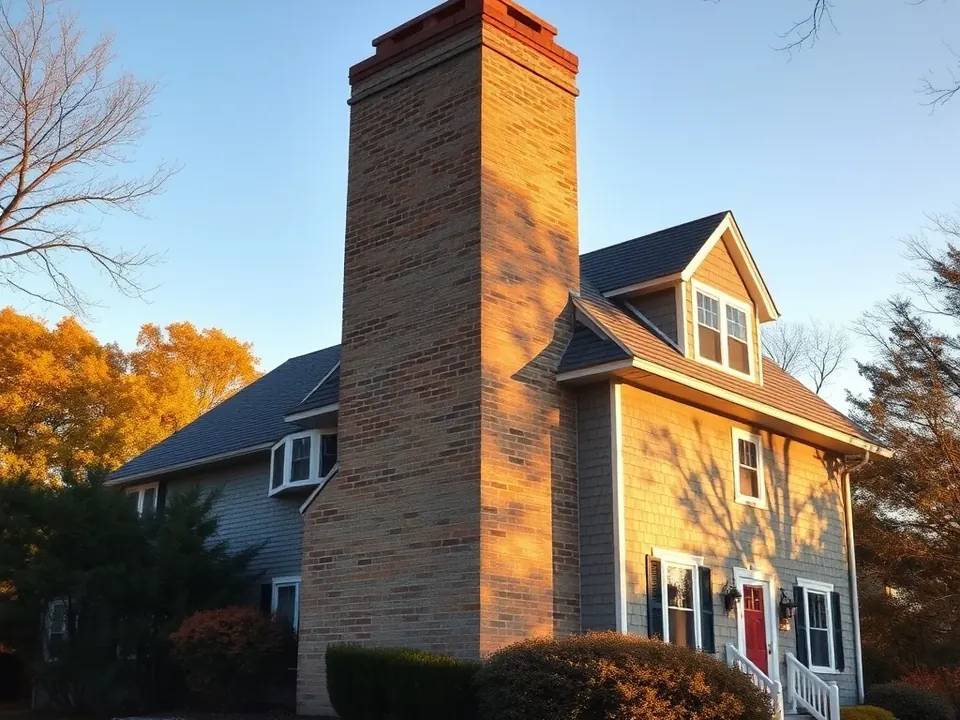
Manhasset sits on the Harbor Hill Moraine, the glacial ridge that gives the North Shore its hills and its long views over Manhasset Bay. The terrain is beautiful, but it leaves a lot of chimneys exposed. A tall stack on a two-story Colonial takes wind-driven rain from several directions, and every winter brings freeze-thaw cycles that pry apart any mortar joint already holding water.
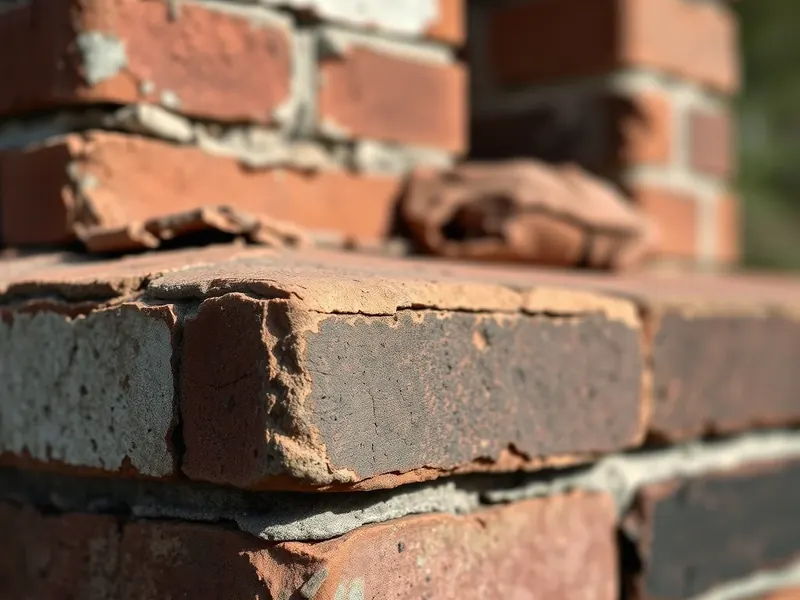
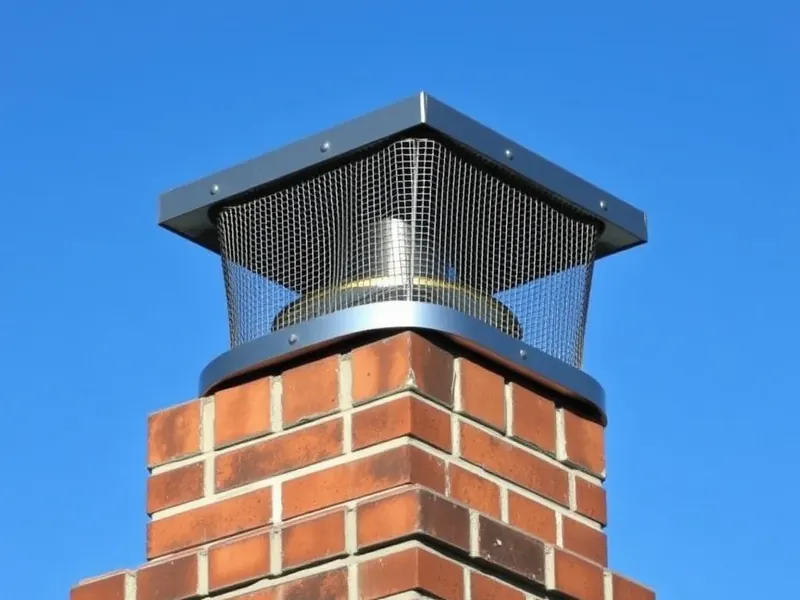
Salt is the other constant. Air coming off the bay and Long Island Sound carries enough of it to pit galvanized steel caps, rust thin chase covers and shorten the life of old flashing. The cement crown at the top of the chimney usually fails first: hairline cracks let water into the brick, the brick faces spall off, and eventually the top courses loosen. Replacing a flat, cracked crown with a properly sloped design that overhangs the brick, and fitting a stainless steel or copper cap, are two of the most worthwhile repairs we make on local homes. Our chimney cap and crown repair page explains both in detail.
When the damage has already reached the brick, repointing or a partial rebuild above the roofline restores the structure. We match mortar strength and color to the existing masonry so the repair ages along with the rest of the house instead of standing out after a few seasons.
Chimney Know-How for Manhasset's Housing Stock
Manhasset's houses span roughly a century, and every era brings its own chimney habits. In the 1930s, Levitt & Sons built the Strathmore neighborhoods on the former Onderdonk farm, and many of those upper-middle-class homes were designed in Tudor and Romanesque styles, looks that typically come with prominent masonry chimneys. Next door, Munsey Park was planned around Colonial Revival houses, many designed by architect Frederick Lee Ackerman, while Plandome grew out of the Plandome Land Company's early-1900s development near the bay.
Age matters because original clay tile liners crack, the mortar between tiles erodes, and the fireboxes in older homes were not built for today's long evening fires. Three problems come up again and again in these houses:
- Cracked or missing flue tiles that allow heat and combustion gases to reach wood framing hidden behind the chimney walls.
- Worn-out boiler flues. A large share of Long Island homes still heat with oil, and oil exhaust leaves acidic soot that attacks tile liners and mortar. When a house converts from oil to natural gas, the flue often needs a correctly sized liner to prevent condensation damage.
- Tired dampers and smoke chambers that make a fireplace smoky and let warm air escape all winter long.
Where a liner has failed, a stainless steel system listed to UL 1777 gives an old chimney a safe path for exhaust without tearing out sound masonry. You can read how we size and install them on our chimney liner installation and relining page.
What Happens When You Call Us
Whether it is a middle-of-the-night emergency or a sweep booked weeks ahead, every job follows the same sequence:
- Triage on the phone. We ask what you see, hear and smell, and whether anyone feels headachy or dizzy. If the situation calls for the fire department, we say so plainly and you call 911 before anything else.
- Make it safe. On emergencies, the technician's first goal is stopping the immediate hazard: shutting down an appliance that cannot vent, clearing a blockage, tarping a damaged stack or capping an open flue.
- Inspect and document. We follow the NFPA 211 inspection levels, from a visual Level 1 check to a Level 2 inspection with a video scan of the full flue, and we photograph what we find.
- Written estimate before work begins. Safety items are separated from repairs that can wait, so you can plan the rest around your budget and the weather.
- Repair and clean up. Drop cloths go down, soot is contained with HEPA vacuums, and you get a short summary of what was done.
Home sales are common on the North Shore, and NFPA 211 recommends a Level 2 inspection when a property changes hands. If you are buying or selling, a documented chimney inspection gives both sides clear answers before closing.
Seasonal Timing for Sweeps, Inspections and Masonry
NFPA 211, the national standard for chimneys, fireplaces and vents, calls for an inspection every year and cleaning whenever deposits are found. On the North Shore, the calendar works like this. Late summer and September are the easiest months to get a flexible appointment. October and November fill up quickly, because the first cold nights off the Sound send half the neighborhood to light a fire on the same weekend. Heating flues deserve a check before boilers start running hard in December. Spring is ideal for masonry, since mortar cures best in mild temperatures and the damage from winter storms is easy to spot.
Between visits, a few habits make a real difference:
- Burn only dry, seasoned hardwood; wet wood produces far more creosote.
- Keep the damper closed when the fireplace is cold so humid summer air and cold winter drafts stay outside.
- Watch the exterior for white staining, loose mortar or a leaning cap after big storms.
- Test smoke and carbon monoxide alarms each season, especially on floors with a fireplace or boiler.
The EPA's Burn Wise program has good guidance on cleaner wood burning. If your damper sticks or no longer seals, fireplace and damper repair is often a quick fix that pays back in comfort all season.
Serving Manhasset and the Surrounding North Shore
Most of our calls come from the two peninsulas that frame Manhasset Bay and from the estate country just to the east. On the Cow Neck peninsula we work throughout Plandome, Munsey Park, Flower Hill, Port Washington and Sands Point. Across the bay, the Great Neck peninsula's villages are a short drive west on Northern Boulevard. Heading east, Northern Boulevard, home of Manhasset's Miracle Mile, leads on to historic Roslyn and the large properties of Old Westbury.
Closer to home, we know Manhasset street by street: Norgate, Terrace Manor, Shorehaven and Bayview, the neighborhoods locals call "town" around the Plandome Road shops and the train station; the Strathmores with their Levitt-built Tudors; and Manhasset Gardens and Manhasset Park. Each area page on our service areas list describes the housing, weather exposure and chimney problems we see in that community, so you can see what matters for your home before we arrive.