Fall and winter 2026 sweeps and inspections are booking now. Schedule before the first cold snap. Call (516) 970-2005

24/7 Emergency ServiceManhasset, NY 11030

1stCallEmergency Chimney

Older Homes and Chimney Care Across Nassau County, From Manhasset to the South Shore

Census figures for Manhasset and nearby Nassau County villages and hamlets: owner-occupied single-family homes built before 1980, detached houses and homes heated with oil or wood.

  • Census ACS 5-year estimates 2020-2024
  • Newest release as of November 29, 2026

Nassau County's Older Housing, Village by Village and Hamlet by Hamlet

This table follows older homes across Nassau County, from Manhasset and its North Shore neighbors to the large hamlets of central Nassau and the South Shore. For each place it gives the number of single-family houses built before 1980 that are occupied by their owners, the portion of all housing that is detached houses, and the portion of occupied homes that burn mainly fuel oil or wood to stay warm. On Long Island that last column says a lot about chimneys, because an oil boiler sends exhaust up its flue every day of the heating season.

Nassau mixes two kinds of places, and the Census handles them differently. Incorporated villages such as Great Neck and Plandome are reported as villages. Unincorporated hamlets such as Manhasset, Levittown and Hicksville appear as census-designated places, which the Bureau defines as settled concentrations of population that are identifiable by name but not legally incorporated. That is why compact villages and sprawling hamlets share one list.

House age matters because a pre-1980 flue has usually served more than one boiler or water heater, and many have lived through a switch from oil to gas. Each change can leave a liner that no longer fits the appliance, or damage nobody has seen. Every town name in the table opens its own page.

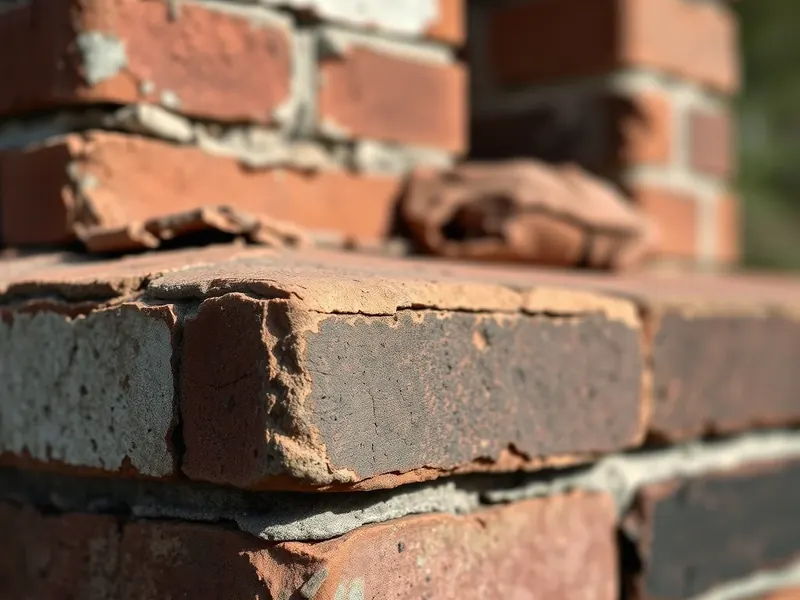
Close-up of a brick chimney with crumbling mortar joints
Illustration (AI-generated).

Census data

Older Homes, Town by Town

Housing age, type and heating fuel by town, Nassau County, New York
TownOwner-occupied single-family homes built before 1980Detached single-family houses (share of housing units)Homes heated mainly with fuel oil or wood (share of occupied homes)
Levittown14,42893%73%
Hicksville10,59793%40%
East Meadow8,63381%53%
Valley Stream8,56476%23%
Baldwin8,52986%25%
Oceanside8,52985%22%
Freeport7,23463%23%
Franklin Square7,14088%29%
Plainview7,10692%32%
Elmont6,83979%23%
Port Washington3,81572%20%
Great Neck1,74170%7%
Manhasset1,68872%7%
Flower Hill99692%18%
Munsey Park78798%10%
Sands Point602100%38%
Old Westbury55395%33%
Plandome367100%12%
Roslyn33245%13%

Across the 19 towns in the table, the Census counts about 98,480 owner-occupied single-family homes built before 1980.

Source: U.S. Census Bureau, American Community Survey 5-year estimates (2020-2024), tables B25127, B25024 and B25040. Download the table (CSV)

Postwar Capes, Oil Burners and the Flues Behind Them

Levittown is a reminder of how quickly postwar housing went up. According to the National Park Service, the first Levittown was built between 1947 and 1951, with two-bedroom Cape Cods and ranches built on slabs, without basements. Houses of that generation typically have a single chimney, sometimes holding a fireplace flue beside the boiler flue, and decades of heating behind them.

Oil heat and soot

An oil burner that drifts out of adjustment coats its flue with soot and scale, which can fall to the base of the chimney and choke the opening where the connector pipe enters. Cleaning the flue around the time the burner is serviced keeps that in check; the guide to oil heat chimney cleaning covers the timing.

Conversions to gas

A gas boiler or water heater often needs a smaller flue than the oil unit it replaced, and its exhaust carries more water vapor. Without a liner sized for it, that vapor condenses inside the chimney and slowly dissolves mortar and tile. The oil-to-gas conversion guide lists what to ask before the switch.

Fireplaces and coastal weather

In older houses with a wood-burning masonry fireplace, the usual findings are cracked clay tiles, worn mortar joints and a rusted damper. Nor'easters drive rain into flashing and crowns across the county, and winter freezes widen whatever cracks the water finds.

Checklist for Owners of Older Nassau County Houses

  • Have the boiler or furnace serviced every year and the flue it uses inspected along with it; book a chimney sweep when soot or scale has collected.
  • After a switch from oil to gas, or after any new boiler or water heater, find out whether the flue was relined or checked for size.
  • After a big storm, look up at the chimney for a missing cap, a cracked crown or loose brick, and check the walls and ceiling beside it for fresh stains.
  • Give the fireplace damper a simple rule: open before the fire is lit, and not closed again until the ashes are completely cool, which is what the Consumer Product Safety Commission recommends.
  • Keep carbon monoxide alarms in working order. New York's alarm statute, Amanda's Law, effective February 22, 2010, makes CO alarms mandatory in one- and two-family homes, multifamily buildings and rentals, new or existing, that have a fuel-burning appliance, system or attached garage.
  • When buying, ask for a Level 2 chimney inspection, which brings a camera into the flue and is the level NFPA 211 connects with a property sale or transfer.

Citing the Nassau County Table

Every number in the table is a U.S. Census Bureau estimate from the American Community Survey's 5-year series. Those estimates draw on sixty months of responses, which makes them, in the Bureau's own comparison of ACS estimates, the most reliable and the only ones available for every area, small villages included, though also the least current. Each estimate rests on a sample and comes with a margin of error, so treat the rows for the smallest villages as rough and avoid ranking places whose counts sit close together.

Keep the definitions with any quotation. The older-homes column counts owner-occupied one-unit houses, detached or attached, built in 1979 or earlier; apartments and rented houses are not included. The fuel column is the share of all occupied homes, owned or rented, whose main heating fuel is fuel oil, kerosene or wood. A hamlet's row describes its census-designated place, whose boundary may not match a school or postal district of the same name.

Anyone may reuse the compiled table, CSV download included, on the terms of Creative Commons Attribution 4.0 by crediting 1stCall Emergency Chimney and linking to this page; the Census numbers it is built on are public domain.
FAQ

Questions About Older Homes in Nassau County, New York

How old is the typical house in Nassau County?

Ages vary widely, and the table measures how many older houses each place has rather than one typical age. Some neighborhoods date from a single building boom: the National Park Service records that the first Levittown went up between 1947 and 1951. For a given house, the listing or the inspection report gives the year built, and the chimney may have been rebuilt or relined since then.

Does Amanda's Law apply to an older house?

Yes. New York's Amanda's Law took effect on February 22, 2010 and reaches existing homes as well as new ones: one- and two-family dwellings with a fuel-burning appliance, system or attached garage need carbon monoxide alarms. Before it, only homes built or bought after July 30, 2002 were required to have them. A house heated by an oil or gas boiler or furnace has a fuel-burning appliance, whatever year it was built.

Should I have the chimney inspected before buying an older Long Island house?

Yes, and before the inspection contingency expires. A Level 2 inspection, the level NFPA 211 links to a sale or transfer, adds a camera run through each flue. In a house with decades of oil heat or a recent conversion to gas, that is how you find scale buildup, cracked tiles or a liner sized for the wrong appliance while there is still time to negotiate.

24/7 Emergency Service

Chimney Emergency in Manhasset? Call Now.

Smoke pouring into the room, a roaring sound in the flue, water coming through the ceiling or an animal trapped in the chimney - call any time, day or night. For routine service, send the form and we'll call you back.

Call (516) 970-2005
  • Open 24 Hours, 7 Days
  • 384 Plandome Rd, Manhasset, NY 11030

Request chimney service

For emergencies, please call (516) 970-2005 - we answer 24/7.
Call NowRequest Service