Chimney Inspection Services in Manhasset
Most chimney problems are invisible from inside the house. A clay tile liner can crack in a single chimney fire, mortar can wash out behind the brick, and a boiler flue can slowly fill with soot - all without any sign in the living room. A professional chimney inspection is how you find out what is really going on. 1stCall Emergency Chimney performs chimney inspections in Manhasset to the three levels defined in NFPA 211, the National Fire Protection Association's standard for chimneys, fireplaces, vents and solid fuel-burning appliances.
That standard calls for an inspection every year for any chimney in use. In a town where nearly half of the homes were built before 1940, the annual check is what keeps a century-old chimney safe to use - and what turns expensive surprises into planned, affordable maintenance.
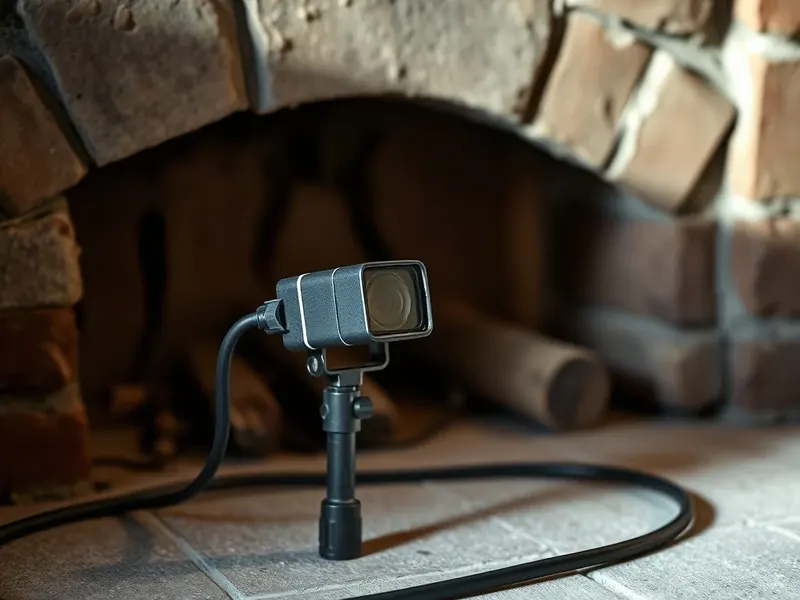
Level 1, Level 2 and Level 3: Which One You Need
Level 1 is the annual check for a chimney you already use with no changes planned. We examine the readily accessible parts of the chimney exterior and interior, the firebox, damper and appliance connection, and confirm the flue is free of obstructions and combustible deposits.
Level 2 is called for whenever something changes: when a property is sold or transferred, after a chimney fire, after a storm or other event that could have damaged the chimney, or when you change the appliance or fuel - replacing an oil boiler, converting from oil to gas, or adding a wood stove. A Level 2 adds a video scan of the full flue interior plus accessible areas of the attic, crawl space and basement.
Level 3 is reserved for cases where a serious hidden problem is suspected and can only be confirmed by opening part of the chimney or the structure around it, such as a chase wall or a section of masonry. We only recommend it when a Level 2 points clearly in that direction, and we explain why before anything is opened.
Buying or Selling a Home in Manhasset
General home inspectors typically look at a chimney from the roofline and the hearth; few send a camera up the flue. For a Colonial with a fireplace in Munsey Park, a 1930s Tudor in one of the Strathmore sections or a waterfront home in Plandome, that can leave the costliest problems unexamined. A Level 2 inspection before closing gives buyers video of every flue, and gives sellers the chance to address problems on their own timeline rather than in the middle of negotiations.
Typical findings in older North Shore homes include:
- Cracked, offset or missing clay flue tiles, often from an old chimney fire nobody knew about
- Unlined or deteriorated boiler flues that no longer suit the connected appliance
- Crowns cracked by freeze-thaw and caps corroded by salt air
- Deteriorated flashing and water damage at the roofline
- Insufficient clearance between the fireplace and the surrounding framing
Inspections for Oil-to-Gas Conversions and New Boilers
With more than half of Long Island homes still heating with oil, many Manhasset homeowners eventually replace an aging oil boiler or switch to natural gas. Either change can make an existing flue wrong for the new appliance. A mid-efficiency gas appliance produces cooler exhaust than the old oil burner, and in a large masonry flue that exhaust can condense; the water mixed with combustion byproducts forms acids that attack clay tile and mortar. An oversized flue can also cool the exhaust too much to draft properly.
A Level 2 chimney inspection before the new appliance goes in tells you and your heating contractor whether the flue can stay as it is or needs a properly sized chimney liner. It is far easier to plan relining alongside the installation than to discover the problem after a carbon monoxide alarm goes off.
What You Receive After the Inspection
Every inspection ends with a written report: the level performed, each flue examined, photos or video stills of what we found, and a clear separation between items that are unsafe now, items to plan for, and routine maintenance. If repairs are needed, you get a written estimate - whether that means a chimney sweep, crown work or masonry repair - and you decide what happens next. Reports are written for homeowners, not just other contractors, so you can share them with a buyer, seller, insurer or heating company without translation.
Scheduling in late summer or early fall avoids the rush that follows the first cold snap on Long Island. Inspections are available throughout Manhasset and nearby communities including Great Neck and Port Washington. If an inspection uncovers an immediate hazard, emergency repairs are available at any hour.