Short answer
After a nor'easter, once the wind drops, check from the ground for missing caps, fallen masonry and a new lean, then look indoors for fresh stains. Loose or fallen masonry, a leaning stack, water pouring in or a carbon monoxide alarm are emergencies; a hairline crown crack with no leak can wait for a booked visit. Before storm season, look over the cap, crown, flashing and weather sides from the yard in September or October.
Why Nor'easters Test North Shore Chimneys
A chimney check after a nor'easter is worth more on Long Island's North Shore than in most inland towns. The National Weather Service describes nor'easters as East Coast storms named for the northeast winds they bring to the coast, and notes that they can arrive in any month but are most frequent and most violent between September and April. That stretch covers the entire heating season, so these storms tend to strike chimneys exactly when fireplaces and boilers are working hardest. The agency's nor'easter overview lists what they usually deliver: heavy rain or snow, gale-force winds, rough seas and, now and then, coastal flooding.
Local geography sharpens all of that. Little Neck Bay, Manhasset Bay and Hempstead Harbor are shallow glacial valleys that open onto Long Island Sound, so houses along their shores and on the necks between them catch wind and spray that has crossed open water. The brick and stone chimneys on waterfront homes in Sands Point and Kings Point, and on hillside houses that look out over the harbors, are often tall, old and exposed on every side above the roofline. Rain pushed sideways for hours, and the salt it leaves behind as it dries, wear on four parts first: the cap, the crown, the flashing and the mortar joints.
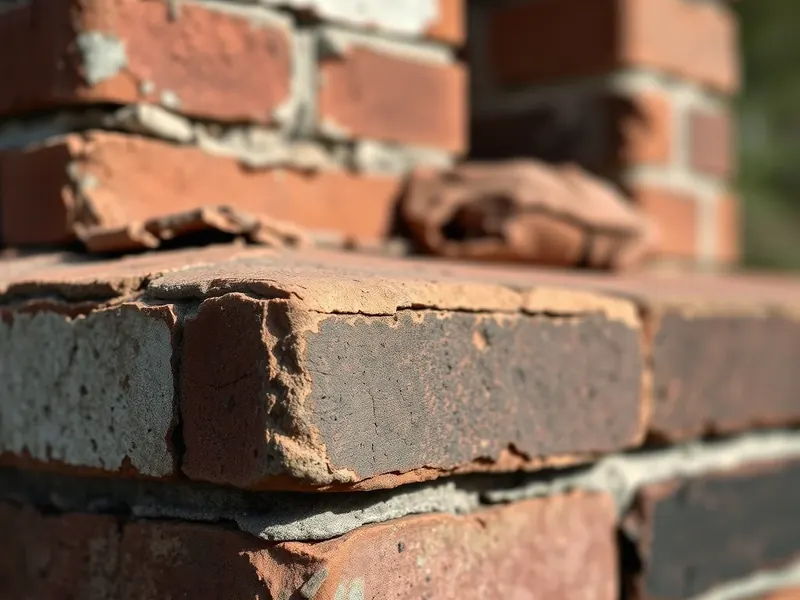
Before Storm Season: A Fall Look From the Ground
The best time to find a weak spot is before the first big blow of the season, ideally in September or October while the weather is still mild enough for repairs to cure. Leave the ladder in the garage. From the lawn or the street, using binoculars or a phone camera zoomed all the way in, look at:
- The cap. It should sit level over each flue with its mesh in one piece. Orange streaks running down from its corners mean the metal is corroding, which happens quickly to plain galvanized steel this close to salt water.
- The crown. This is the concrete or mortar top that surrounds the flue tiles. Dark crack lines, chipped corners or a flat slab with no overhang all let water soak into the brick underneath.
- The flashing. The metal where the chimney meets the roof should lie flat and tight, with its upper edge tucked into a mortar joint rather than held on by a bead of tar.
- The weather sides. On most North Shore houses the north and east faces of the stack take the brunt of a northeast wind. Recessed joints, flaking brick or chalky white bloom on those faces are early warnings.
Indoors, check the ceiling and walls around the chimney breast, the attic where the stack passes through, and the firebox floor for old water marks. Whatever turns up is far easier to fix in October than after a December storm. A yearly chimney inspection covers the same ground up close, including the parts of the crown and flashing nobody can judge from the yard.
How Wind-Driven Rain Gets Past the Masonry
Most rain falls more or less straight down, and a sound crown and cap shed it without trouble. A nor'easter works differently. A steady wind presses rain against one side of the chimney for many hours, and the water hunts for every opening it can find. It soaks into porous brick and worn joints, creeps under loose flashing and runs through hairline cracks in the crown into the core of the stack.
That explains why so many homeowners around the bay notice a leak only in certain storms. A stack that never drips in a July downpour can leak during a long northeast blow, because water is finally reaching a part of it that ordinary rain never touches. The wet spot indoors seldom lines up with the entry point, either; water can follow a rafter or slide down the inner face of the brick and appear a room away. Salt is the slow partner in this. Spray carried in from the Sound dries on metal and masonry, speeds up corrosion of caps and flashing, and keeps surfaces damp for longer after the rain stops.
If the same stain comes back after every storm from the northeast, have the source traced instead of repainting the ceiling again. Our chimney leak repair work begins by proving where the water actually gets in.
Chimney Check After a Nor'easter: A Walk-Around Before the Next Fire
Wait until the wind has dropped and any flood warning has expired. Then work through this list from the ground, never from the roof:
- Count the caps. Many North Shore chimneys hold more than one flue, often a fireplace beside an oil or gas boiler flue. Confirm that every flue still has its cap and that none is bent, crushed or tilted.
- Scan the yard, the roof and the gutters for chunks of crown, brick, mortar or metal. Debris below the chimney means something at the top has moved.
- Sight along the stack against a straight edge of the house. A new lean, or a gap opening where the chimney meets the siding, needs a professional look right away.
- Go inside and look again. Check for fresh stains beside the chimney, water or debris in the firebox, a musty smell, and damp patches around the boiler connection in the basement.
- Photograph anything that changed, with the date. Insurers often treat sudden wind damage differently from gradual wear, and pictures taken the day after the storm make that case far easier.
On low-lying streets near the water, where the National Weather Service posts coastal flood advisories for its Northern Nassau zone, add one more step. If seawater or floodwater reached the basement, leave the boiler and water heater off until a qualified technician has checked them, and ask for the chimney connection and the base of the flue to be looked at during the same visit.
Emergency Tonight or a Scheduled Visit Later
Most storm findings can wait for a daytime appointment. A few cannot. Treat these as emergencies:
- Masonry has fallen, or hangs loose above a door, a walkway, a driveway or a deck.
- The chimney has begun to lean, or a tree limb is resting against it.
- Water is pouring in, running down a wall or reaching light fixtures and outlets.
- A heating flue has lost its cap and the boiler is now giving off soot, odors or fumes.
- Smoke or exhaust is entering the living space, or a carbon monoxide alarm sounds. Get everyone outside and call 911 first.
Keep people and cars away from the base of a damaged chimney, and leave the fireplace cold until it has been checked. 1stCall Emergency Chimney answers around the clock for these calls anywhere on the North Shore, from the tip of Sands Point to Old Westbury. Through our emergency chimney service, a technician can tarp an open stack, take down loose brick and cover a flue until permanent work is possible.
These can usually wait for a booked visit: a hairline crack in the crown with no leak inside, a little white staining on the brick, a cap that has shifted slightly but still covers the flue, or an old stain that has dried and is not growing. Schedule an inspection before the next fire anyway, since the parts a storm is most likely to hurt are the ones you cannot see from the yard.
Repairs That Outlast the Next Storm Season
Nor'easter season runs into April, so winter storm work is usually temporary by design: a tarp, a temporary cap, loose brick removed before it falls. Permanent masonry needs mild, dry weather while mortar and crown concrete cure, which on the North Shore means late spring through early fall. That window is the time to rebuild a crown with a real overhang and drip edge, replace step flashing and counterflashing together as one system, repoint the weather faces, and fit stainless steel or copper caps that stand up to salt air far longer than galvanized ones. The top-of-chimney side of that work is described on our cap and crown repair page.
Waterfront and hilltop chimneys deserve a quick look after every major storm, not only once a year. Two minutes with binoculars after each nor'easter, plus the annual inspection in the fall, keep a small crack from turning into a winter of leaks.