Short answer
The old oil flue has to be examined, cleaned and often relined, because cooler gas exhaust can condense and draft poorly in a flue sized for oil. The new appliance's venting instructions and a Level 2 inspection decide whether a liner is needed; a condensing unit vented through a side wall may not use the chimney at all. A water heater left alone in the old flue usually needs a liner sized for it or a replacement with its own vent.
Oil to Gas Conversion: Why the Chimney Is Part of the Job
An oil to gas conversion on Long Island usually begins with National Grid, the gas utility here, and a plumber who sizes the new boiler or furnace. The chimney is easy to leave out of that conversation, yet it is where many of the surprises turn up. National Grid's own Long Island conversion guide puts the chimney liner and the venting options on the short list of questions a homeowner should ask the plumber, and New York State's Fuel Gas Code explains why. When an appliance is permanently disconnected from an existing chimney, or a new one is connected to it, the code requires that chimney to be resized as necessary to control condensation inside it and to give the remaining appliances the draft they need.
Put simply, a flue that served the oil burner for decades is not automatically fit for the gas appliance that replaces it. This guide covers what changes inside the chimney during the switch. For the yearly care an oil flue needs while the burner is still running, see the guide on cleaning an oil burner chimney.
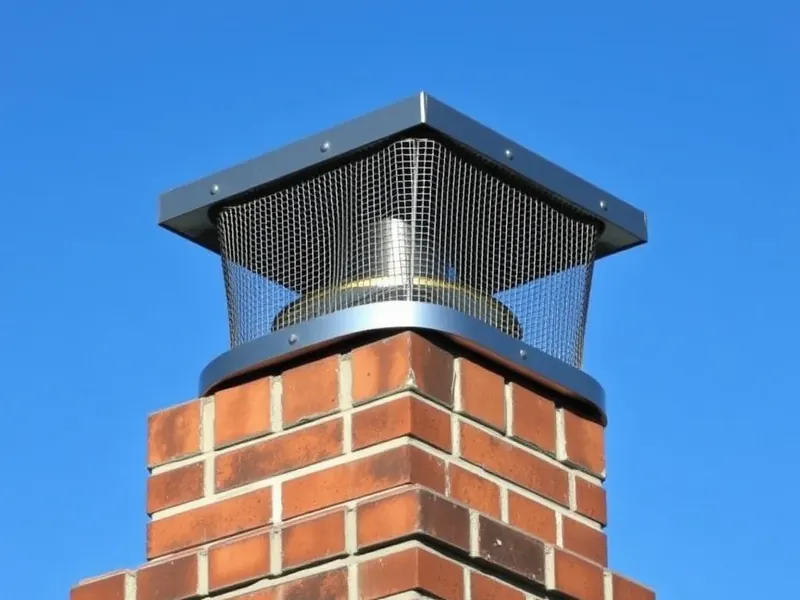
An Oil Flue Built for a Bigger, Hotter Fire
Many Nassau County chimneys have vented an oil boiler for decades. In the prewar houses of Manhasset and Plandome, in Munsey Park, which was laid out from the late 1920s with Colonial Revival houses, and in the Levitt-era houses of Hicksville and the postwar Capes of East Meadow, the heating flue is often a clay-tile passage inside a masonry stack, sometimes running beside a fireplace flue. It was sized for an oil burner that pushed a large volume of hot exhaust up the chimney all winter.
A modern gas appliance sends up less exhaust, and cooler exhaust. The U.S. Department of Energy's Building America renovation guide that contractors share with homeowners notes that when an old furnace or boiler is replaced by a mid-efficiency model, rated around 80 to 82 percent, the chimney may need to be relined and sized for that lower volume of lower-temperature gas. The state code puts a number on the idea: under its simplest sizing method, the flue for a single gas appliance with a draft hood may be no larger than seven times the area of that appliance's draft hood outlet. In a flue that is too big, the exhaust slows and cools before it reaches the top, the draft weakens and water starts to condense.
A chimney on an outside wall gets extra scrutiny. The code calls a masonry chimney that is exposed to the outdoors on one or more sides below the roofline an exterior masonry chimney and gives it its own venting tables. For a clay-tile-lined exterior chimney, those tables set a minimum input for a gas heating appliance, so a small, efficient boiler can fall below what the old flue is allowed to serve. A listed liner or a Type B vent run up through an otherwise unused flue is not treated as exposed to the outdoors, which is one reason relining is the usual answer.
Where the Condensation Comes From
Burning natural gas produces carbon dioxide and a good deal of water vapor. As long as the exhaust stays warm all the way up, that vapor leaves through the top of the chimney. When it cools below its dew point inside the flue, it condenses on the walls instead, and the water carries combustion byproducts that eat at clay tile joints, mortar and the metal pipe between the appliance and the chimney.
The risk is greatest with mid-efficiency gas appliances that still vent into the chimney, because they deliberately send less heat up the flue than the old oil burner did. Signs that a converted chimney is staying wet include:
- White, chalky deposits on the outside of the brick, often near the top or on the side that takes the weather.
- Water, rust or crumbled mortar at the base of the flue or in the cleanout.
- Rust streaks or pinholes on the vent connector.
- Damp patches or peeling paint next to the chimney in the basement, the attic or an upstairs closet.
High-efficiency condensing boilers and furnaces, rated around 90 percent and up, work the other way: they condense the water inside the appliance on purpose and drain it off. The Department of Energy points out that such an appliance has its own dedicated exhaust and may stop using the chimney altogether. Under the state code, venting for these appliances follows the manufacturer's instructions, which often call for plastic vent pipe out through a side wall. Whether that pipe may instead run up through an empty chimney flue is a question those same instructions answer.
Liner Requirements Under New York's Fuel Gas Code
The core rule is short. New York's Fuel Gas Code says chimneys shall be lined in accordance with NFPA 211, the national standard for chimneys, fireplaces and vents. Before an existing appliance is replaced or a vent connector is attached, the chimney must be examined to confirm it is clear, and cleaned if it vented solid- or liquid-fuel appliances or a fireplace. If that examination shows the chimney is not safe for the intended use, it has to be repaired, rebuilt, lined, relined or replaced with a vent, so that it conforms to NFPA 211 and suits the appliances it will serve.
The details of the liner come from the appliance. Its manufacturer's venting instructions set the vent type and size, and the code's venting tables apply to the common draft-hood and fan-assisted appliances, known as Category I. Existing masonry chimneys are usually relined with a listed system, and stainless steel liners listed to UL 1777 are a common choice. Some liners are listed for gas appliances only and must carry a permanent label at the connection warning against hooking up an oil or wood-burning appliance, which matters if anyone ever plans to reconnect a backup oil burner. A chimney liner sized to the new boiler or furnace gives the cooler exhaust a smaller, warmer path to the cap.
The paperwork is local. National Grid's conversion guide notes that the plumber schedules an inspection with the local municipality once the new equipment is in, which in Nassau County means the building department of your town, city or incorporated village. Ask early whether the relining belongs on the same permit.
The Orphaned Water Heater
The most overlooked part of a conversion is the appliance that stays put. Picture a gas water heater that has shared the chimney with a furnace or boiler. The heating unit is replaced by a condensing model vented through the side wall, its connector comes off the chimney, and the water heater is suddenly alone in a flue sized for two. The Department of Energy calls this out directly: the chimney may now be oversized, the draft too weak, and exhaust can spill back into the house. Its renovation guide for homeowners says the chimney will need to be relined and sized for the water heater alone, or that replacing the water heater with a sealed-combustion model may cost less.
The same review applies whenever any appliance leaves a shared flue and another stays behind. The state code treats that chimney as an existing chimney that must be checked again for size and condition, and DOE's measure guideline for high-efficiency gas furnaces adds that an exterior masonry chimney in this situation will need relining.
Watch the water heater closely in the first weeks after the switch: soot or scorch marks around the draft hood, water dripping from the vent connector, a sharp exhaust smell near the tank, or a carbon monoxide alarm. If an alarm sounds, get everyone outside and call 911 first, and keep the water heater off afterward until it and the chimney have been checked. 1stCall Emergency Chimney answers 24/7 when a heating flue stops venting.
Unused Flues, Old Openings and the Oil Tank
Sometimes a conversion leaves the chimney with nothing to vent. The Department of Energy notes that when a condensing appliance takes its own exhaust path and no other appliance uses the chimney, the chimney can be closed up or removed. The same can happen if you choose a heat pump instead of gas, an option National Grid's paperwork asks Long Island homeowners to acknowledge before gas work begins. A retired flue still needs care: the cap and crown keep rain out of a stack that is no longer warmed from inside, and the state code requires the hole where the old smoke pipe entered to be closed by an approved method. CSIA's procedure for a Level 2 inspection, the camera inspection recommended when an appliance is replaced by one of a different fuel, efficiency or type, tells the inspector to look for unused openings like that and recommend sealing them.
The oil tank is a separate job with its own permit and notice rules, handled by a tank contractor through your town or village, and it does not involve the chimney. Its timing does, though. National Grid's Long Island guide asks homeowners not to remove the existing heating equipment or cancel oil deliveries until the new gas line is in, and the utility's part of the work can take several months. If the conversion will not be finished before cold weather, the oil flue still needs its fall cleaning, and a chimney inspection booked for the changeover can confirm what the new appliance needs.