Short answer
Stay off the roof, keep people away from the ground below the chimney, and leave that flue's fireplace unlit until a new cap is on. If the open flue vents a boiler, furnace or water heater, watch for soot, fumes or a carbon monoxide alarm and call right away if any appear. Once the wind drops, have the chimney inspected, because a storm strong enough to take the cap can also crack the crown or drop debris into the flue.
Chimney Cap Blew Off? First Steps While the Wind Is Still Up
If your chimney cap blew off during a storm, start with the people in the house, not with the cap. Wind strong enough to tear a cap loose can also snap off a corner of the crown, a loose brick or a strip of flashing, and anything that drops from the top of a chimney lands hard. For Long Island, the National Weather Service office in Upton issues a wind advisory when sustained winds of 30 to 39 mph are forecast for an hour or more, or gusts of 46 to 57 mph, and a high wind warning when sustained winds of 40 mph or more are forecast for an hour or more, or gusts of 58 mph or more. While either one is in effect, look from a window and save the walk around the house for later.
- Stay off the roof and off ladders. A cap can be replaced. A fall from a wet roof edge in a gusty wind cannot be undone, and no missing cap is worth that risk.
- Clear the ground below the chimney. Keep children, pets and cars away from the walls, walkways and driveway under the stack until someone has seen the top of it in daylight.
- Let the fireplace go cold. Do not light a fire in a flue that has lost its cap. If one is already burning, close the screen and let it die down without adding wood.
- Work out which flue is open. Older chimneys often carry more than one flue, for example a fireplace flue beside a boiler flue. Note which one is bare, because that decides how fast the repair has to happen.
- Check the heating equipment and the alarms. If the open flue serves an oil or gas boiler, a furnace or a water heater, make sure the carbon monoxide alarms work and watch for soot, fumes or an exhaust smell near the appliance.
- Photograph before you tidy up. Once the wind has died down and you can walk around the house, take pictures of the cap where it landed, the roof below the chimney and any debris, then move the cap somewhere it cannot blow around again.
1stCall Emergency Chimney answers 24/7. The sections below sort out which situations need a technician tonight and which can wait for a daytime visit.
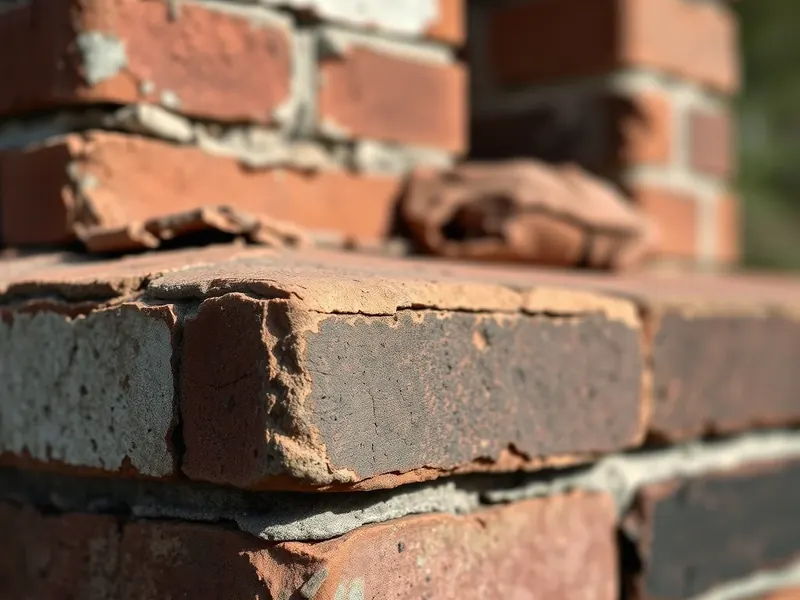
Why Caps Come Loose on Long Island's Shores
Chimneys that look out over open water take wind that has crossed it with nothing to slow it down. On the North Shore, that means houses on the Port Washington peninsula, which runs between Manhasset Bay and Hempstead Harbor out to Sands Point on Long Island Sound, and the hillside homes that face the harbors. On the South Shore, Freeport's canals, Baldwin and Oceanside sit on Middle Hempstead Bay, one of the shallow bays that the barrier islands shelter from the open Atlantic. The Weather Service even forecasts the two coasts of the county as separate zones, Northern Nassau and Southern Nassau. Its nor'easter guidance says these storms can come in any month but are most frequent and most violent from September through April.
How a cap is attached explains how it comes off. A common single-flue cap slips over the clay flue tile and is held by a few screws tightened against the sides of the tile, so it needs a sound tile that stands clear of the crown; HUD's inspection guide says flues should extend at least four inches above the top of a masonry chimney. A cap that covers several flues at once is fastened to the top of the chimney itself, usually the crown. Either way, the cap is only as secure as the masonry under it, and the usual weak points are:
- Fasteners that have rusted or backed out. Years of heating and cooling, plus salt carried in on the wind, loosen screws until the cap rests on the tile instead of gripping it.
- A flue tile that is cracked or too short. Screws cannot hold a chipped or broken tile edge, or a tile that barely clears the crown.
- A crumbling crown. Masonry screws pull out of a crown that is cracked, soft or flaking.
- A cap that never fit. One bought for a different flue size may never have been tightened properly in the first place.
- Old damage. A cap bent by a branch or an earlier storm may no longer sit square on its tile.
What an Open Flue Lets In
The cap is a small part, but it does several jobs. The Chimney Safety Institute of America describes a well-designed cap as one that keeps rainwater out, stops birds and animals from getting in and nesting, and works as a spark arrestor that keeps sparks off the roof and anything else nearby that can burn. Lose the cap and all of those protections go with it:
- Rain. Water now falls straight down the flue onto the damper, the smoke shelf or the base of a heating flue. CSIA points out that water does more damage to masonry chimneys than fire, and that damage builds slowly where nobody sees it.
- Animals and nests. An uncapped flue is an easy way in for birds, squirrels and raccoons, and CSIA warns that nests can end up in a flue even when the fireplace is rarely used.
- Sparks. A wood fire under a missing cap sends embers out of the top of the chimney with no mesh to stop them, toward your roof and the trees and houses around it.
The stakes are highest on a heating flue, as in the older Nassau County houses where a boiler or furnace vents into the same chimney as the fireplace. CSIA lists debris-clogged flues and animal or bird nests among the chimney problems that can let carbon monoxide and other combustion gases into a house. A boiler or furnace may cycle on and off all night in cold weather, so a blockage at the base of its flue is not something to leave until spring. Keep carbon monoxide alarms working on every level of the house and outside the sleeping areas, as the Consumer Product Safety Commission recommends, and if one sounds, get everyone outside and call 911.
Does a Missing Chimney Cap Need a Call Tonight?
A missing cap is not automatically an emergency. What decides it is what the open flue serves, what else came down with the cap and what the forecast holds. Call right away, at any hour, when:
- A carbon monoxide alarm sounds anywhere in the house. Get everyone out and call 911 first, then call us once the fire department has been.
- The open flue vents a boiler, furnace or water heater and you notice soot, fumes, a backdraft smell or an appliance that keeps shutting itself off.
- Brick, crown concrete or flashing came down with the cap, or something is hanging loose above a door, a path or the driveway.
- The cap is still hanging on by one side and banging or swinging in the wind.
- Water is running into the firebox or down the wall beside the chimney, or an animal has already found its way in.
Through our emergency chimney service, anywhere from Great Neck and Port Washington to Freeport and Oceanside, we send a technician from our local network who can cover an unused flue, take down anything loose and make the chimney weathertight until a permanent cap goes on. On a heating flue, any temporary cover has to let the exhaust out, which is one more reason to leave that job to a professional.
A cap missing from a fireplace flue you are not using, with no damage below it and a dry forecast, can usually wait a day or two for a scheduled visit. Keep the fireplace cold in the meantime and the damper closed, so whatever comes down the flue stops at the damper instead of reaching the room.
After the Storm: Inspection and a Cap That Stays On
Once the wind has dropped, have the whole chimney looked at, not only the bare flue top. CSIA's procedure for a Level 2 inspection, which follows NFPA 211, recommends one after a weather event or any malfunction likely to have damaged the chimney. It calls for a camera scan of the flue, a look at the crown and flashing from the roof, and a check of every flue in the chimney along with the appliances connected to it. A storm that tore off a cap may also have cracked the crown, loosened the top courses of brick or dropped debris down a flue, and a chimney inspection is how you find out before the next fire rather than during it.
A replacement only lasts if the reason the old cap came off is dealt with first. Depending on what the technician finds, that can mean:
- Trimming or replacing a broken flue tile so the new cap has a sound edge to grip.
- Repairing or rebuilding a crumbling crown before a multi-flue cap is fastened to it.
- Fitting a cap sized to the flue, or a single cap over several flues, so it is fastened down properly rather than balanced on a tile.
- Choosing a cap made of a corrosion-resistant metal, such as stainless steel or copper, for a chimney that takes salt air along Long Island's shores.
- Matching the cap to what the flue serves. The CSIA inspection procedure asks the inspector to confirm that a cap is not obstructed and does not restrict the top of the chimney.
Our chimney cap and crown repair page covers the materials and options in more detail. If the same storm loosened flashing or drove water into the brick, the guide to checking a chimney after a nor'easter walks through the rest of the stack.
Wind Damage and Your Homeowners Policy in Nassau County
Whether a lost cap and the damage around it are covered depends on your own policy, so read it and ask your agent or insurer before assuming either way. New York's Department of Financial Services sets out a few ground rules that apply to any loss:
- Contact your insurer or agent as soon as possible; DFS notes you can do that by phone.
- Protect the property from further damage. DFS gives boarding up broken windows as an example, and covering an open flue before the next rain serves the same purpose.
- Save the receipts for every temporary fix, and hold off on permanent repairs until the insurer or its representative has inspected the property.
- Take photos or video of the damage before cleaning anything up. For a chimney, that means the cap where it landed, the chimney top shot from the ground with the zoom all the way in, and any stains or debris inside.
Two kinds of deductible matter on Long Island. DFS notes that some insurers require a hurricane deductible for homes in Nassau and Suffolk counties, New York City and coastal Westchester, which applies when a storm is declared a hurricane, and that some policies carry an optional windstorm deductible that applies when wind of any speed causes the damage. Both are usually figured as a percentage of the home's value or insured amount rather than a flat figure, so find out which one your policy has before you need it. The Atlantic hurricane season runs through November 30, and nor'easters keep coming well after that.